cancer stages
cancer symptoms
lung cancer
lung cancer signs
lung cancer stages
Prognosis
small cell cancer
smoking lung cancer
symptoms lung cancer
symptoms of cancer
Genetic mutations that cause cancer
generally occur in two types of genes:
Tumor-suppressor genes, which
prevent cells from endlessly copying themselves
Proto-oncogenes, which encourage
cells to keep making copies of themselves [when a proto-oncogene changes
(becomes mutated), it is then called an oncogene]
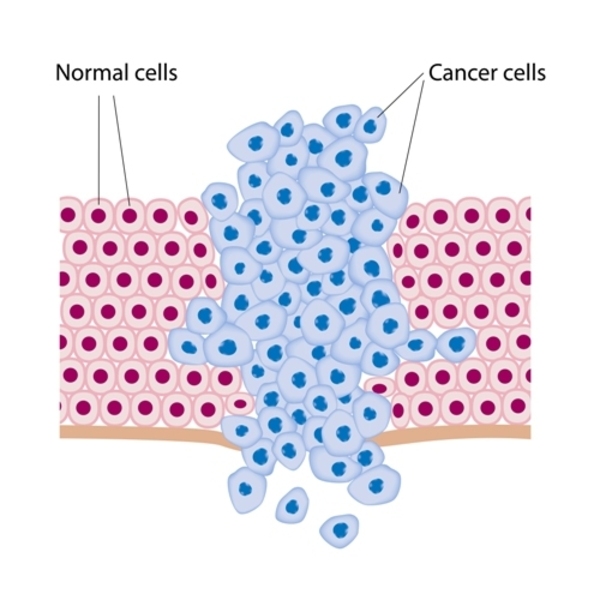
Damage to either type of gene can
cause a mutation that results in uncontrolled division of cells. This
uncontrolled division forms tumors.
Cancer can be the result of a
genetic predisposition that is inherited from family members. It is possible to
be born with certain genetic mutations or a fault in a gene that makes one
statistically more likely to develop cancer later in life. Genetic
predispositions are thought to either directly cause lung cancer or greatly
increase one's chances of developing lung cancer from exposure to certain
environmental factors.
Lung cancer is the most common
cause of cancer death worldwide, with over one million cases annually. The
five-year relative survival rate for lung cancer is only 10-15%. In
approximately 90% of the cases, cigarette smoking is the main etiologic factor.
We often associate lung cancer with
tobacco, but 25-year-old Matthew Hiznay is a lung cancer patient who never
smoked a cigarette. He is battling a rare form of genetic lung cancer for the
second time in less than two years.
Screening tumor samples for
cancer-causing genetic mutations can help physicians tailor treatment to
specifically target those mutations in patients with advanced lung cancer.
Other risk factors include radon
exposure, or exposure to nickel-, chrome-, cadmium-, arsenic- and asbestos
compounds. Lung cancer sometimes aggregates in families, suggesting that
genetic predisposition may also play a role in the development of lung cancer.
It is unlikely that a single
specific abnormality causes all lung cancer. It probably takes a variety of
mutations to start the devastating chain of events leading to cancer. The
following mutations are among those under investigation:
EGFR mutations: EGFR (epidermal
growth factor receptor gene) is a family of genes that can mutate and promote
tumor growth. This gene mutation is often implicated in non-smokers. HER2 is a
related gene under study that plays a role in regulating cell growth.
BPDE-caused mutations: The chemical
BPDE, a byproduct of tobacco smoke, is involved with a number of genetic
mutations, including those to an oncogene called K-ras and to three
tumor-suppressor genes known as p53, PPP2R1B, and p16. (Tumors that contain the
p53 mutation may also be more resistant to chemotherapy.)
Rb mutations: Another important
contributor to lung cancer is a genetically defective protein called retinoblastoma
(Rb), which is associated with very aggressive tumors. Low levels of the normal
Rb gene may sometimes predict aggressive cancer, especially in patients with
small cell lung cancer.
Abnormalities in the FHIT gene:
Such abnormalities may cause the cells lining the lung to become more
vulnerable to the effects of tobacco smoke and other cancer-causing substances.
Alpha1-antitrypsin mutations:
People who carry a common variation in the gene for alpha1-antitrypsin -- a
substance that normally protects the walls of the alveoli in the lungs -- are
70% more likely to develop lung cancer than those without the mutation,
regardless of whether they smoke.
Many other gene mutations have been
implicated including BRCA1,RAP80, RRM1, ERCC1, and TS. Scientists continue to
explore the complex relationship between various genes that play a role in cell
production and what environmental factors give rise to cancer.
Medical centers are beginning to
test tumors for specific gene mutations affecting tumor growth. The hope is
that an accurate "genetic fingerprint" can help doctors prescribe the
most effective and appropriate treatment options.
When Hiznay was about to begin his
second year of medical school at the University of Toledo College of Medicine,
a persistent dry cough sent him to his family doctor, who made a preliminary
diagnosis of a lung disease — sarcoidosis — and referred him to Cleveland
Clinic.
A new study detected one of ten
such mutations in 54 percent of the 516 lung cancer patients tested at
diagnosis. The results enabled doctors to select the most appropriate drug
designed to block the identified mutation and choose other treatment options
for those patients whose tumors did not have a mutation.
Air pollution caused by industry, power plants and vehicles
of various types raises the likelihood of developing Lung Cancer in persons who
are exposed polluted air. Approximately one-percent of the deaths from Lung
Cancer are attributed to breathing polluted air. Prolonged exposure to air
pollution may carry risks for developing Lung Cancer which are similar to
Passive Smoking; according to experts. Air pollution can contain trace amounts of diesel exhaust,
coal products, and other industrial substances.
Air pollution is a significant environmental risk factor for
lung cancer. For every increase of 5 μg/m3 of particulate matter (PM) smaller
than 2.5 μm in diameter (PM2.5) in the environment, the risk of lung cancer
rises by 18%; for every elevation of 10 μg/m3 in PM smaller than 10 μm (PM10),
the risk increases by 22% (Raaschou-Nielsen et al., 2013). Anthropogenic PM2.5
is associated with 220,000 lung cancer mortalities annually (Anenberg et al.,
2010). Based on sufficient evidence of carcinogenicity, the International
Agency for Research on Cancer (IARC) Working Group recently classified outdoor
air pollution and related PM as Group 1 carcinogenic to humans (Loomis et al.,
2013). However, the carcinogenic mechanism of air pollution remains to be
dissected using systematic approaches.
Air pollution is killing about 4,400 people in China every
single day, according to a new study. Exposure to air pollution has many impacts across the
lifespan and has now been linked to survival of patients after being diagnosed
with lung cancer, the most commonly diagnosed cancer over the past several
decades.
People most susceptible to severe health problems from air
pollution are:
Individuals with heart disease - such as coronary artery
disease or congestive heart failure
Individuals with lung disease - such as asthma, emphysema or
chronic obstructive pulmonary disease (COPD)
Pregnant women
Outdoor workers
Children under age 14, whose lungs are still developing
Athletes who exercise vigorously outdoors
Air pollution is a major environmental issue affecting people
across the world. According to the World Health Organisation(WHO), more than 2
million people worldwide die every year from air pollution. Of all the air
pollutants, fine particulate matter (PM) is one of the most hazardous pollution
for the human health. The particulate matter causes about 9% of lung cancer
deaths worldwide, 5% of cardiopulmonary deaths and about 1% of respiratory
infection deaths. According to the WHO, there is mounting evidence that
concentration of particulate matter is increasing in Asia. Particulate matter
mostly originates from dust storms, grassland fires, burning of fossil fuels in
vehicles, power plants, but also various industrial plants generate significant
amounts of particulates. The interactive map shows that South Asia is badly hit
by pollution caused by particulate matter. While Pakistan has the highest
concentration of particulate matter, countries like Bangladesh, Nepal and India
are placed by the WHO in a category called “unhealthy for the sensitive
people”. That means people in these countries suffering from respiratory and
heart disease, as well as elderly and children should limit outdoor exertion.
Air pollution in China is as bad, if not worse, than in India but according to
the WHO,the particulate matter concentration in China and in countries such as
Myanmar, Sri Lanka, South Korea and Indonesia remains moderate. There is the
least presence of particulate matter in Philippines, Malaysia, Thailand,
Singapore and Japan.
In a groundbreaking Oct. 17 announcement, the International
Agency for Research on Cancer (IARC), an agency of the World Health
Organization, classified outdoor air pollution as a known cause of lung cancer.
The agency also found that particulate matter (PM), a major component of air
pollution better known as “soot,” is a known cause of lung cancer.After an extensive review of more than 1,000
scientific studies from five continents, a committee of some of the world’s
leading experts on air pollution and health convened by the IARC Monographs
Programme concluded that there is sufficient evidence that exposure to outdoor
air pollution causes lung cancer. Though IARC has previously evaluated the
health impacts of various components of outdoor air pollution, such as diesel
engine exhaust, metals, and solvents, this is the first time that outdoor air
pollution in general has been classified as a cause of cancer.
High air pollution levels can cause immediate health
problems:
Aggravated cardiovascular and respiratory illness
Added stress to heart and lungs, which must work harder to
supply the body with oxygen
Damaged cells in the respiratory system
Researchers from Berkeley Earth, a California-based climate
research organization, calculated that about 1.6 million people in China die
every year from health issues caused by the country’s notoriously polluted air.
“We thought that if ambient air pollution is a carcinogen
that can drive lung cancer development, then exposure to air pollution in
patients already diagnosed with lung cancer could promote the progression of
their disease through the same biological pathways,” said Sandrah Eckel,
assistant professor of preventive medicine at the Keck School of Medicine of
USC and lead author of the research. Eckel and colleagues at the Keck School
decided to more closely explore the question of whether lung cancer survival
times might be affected by air pollution.
The particulate matter represents a complex mixture of solid
and liquid particles suspended in the air, many of which are hazardous. These
particles are either directly emitted into the air by sources such as smoke,
dust, pollen, or formed in the atmosphere by transformation of emitted gases.
The particulate matter can adversely affect human health and also have an impact
on climate and precipitation. On the basis of size, the particulate matter is
divided into two categories. The particles up to 10 micrometers in size are
called PM 10 and smaller particles of 2.5 micrometer in size are called PM2.5.
The WHO has measured outdoor air pollution caused by both types of the
particulate matter and according to these findings, air can be contaminated by
a range of different particles of which many can harm our health, especially
very small particles that enter into the lungs and bloodstream and cause the
most serious health problems. In Asia, like in other regions of the world,
pollution caused by particulate matter is spreading to new areas. The graph,
based on the data obtained from the WHO, ranks Asian countries according to the
PM10 level in the air. As the data suggests, Pakistan is the most polluted
country in the region in terms of particulate matter concentration in the air.
It is followed by Bangladesh, India, Nepal, China, Myanmar, Sri Lanka, South
Korea, Indonesia, Philippines, Malaysia, Thailand, Singapore and Japan.
The IARC evaluation found strong scientific evidence of an
increased risk of lung cancer with increasing exposure to air pollution in
general and issued a similar finding for particulate matter. Although the
composition of air pollution and levels of exposure can vary dramatically
between locations worldwide, the IARC conclusions apply to all regions of the
world. The IARC assessment of the link between PM and lung cancer contrasts
with findings from the U.S. Environmental Protection Agency’s (EPA) 2009 assessment
of the PM health science,which
classified the PM-lung cancer scientific evidence as only “suggestive of a
causal relationship.”
Long-term exposure to polluted air can have permanent health
effects:
Accelerated aging of the lungs
Loss of lung capacity
Decreased lung function
Development of diseases such as asthma, bronchitis,
emphysema, and possibly cancer
Shortened life span
According to the study, more than one-third of the Chinese
population regularly breathe air that would be considered “unhealthy” by U.S.
standards.
Their research, published this month in Thorax, shows that
the length of time that lung cancer patients live after diagnosis varies
depending on their exposures to regional pollution. Researchers found that the
median survival for people diagnosed with early stage lung cancers who lived in
areas with high levels of regional pollution was approximately three years
shorter than for people who lived in areas with lower levels of pollution.
Air pollution in some Asian cities is so bad that at times,
the cities are enveloped by a blanket of smog that impedes visibility.
According to the WHO,air pollution has worsened in Asian cities in recent years
and presents a threat to human health. In many cities the levels of fine
particulate matter - a key pollutant in terms of its impact on human health -
are exceeding the critical limit (as defined by the WHO), specifically in
densely populated, fast-growing and less developed countries like China, India,
Pakistan and Bangladesh. Even in small Asian cities like Kathmandu, the
particulate matter level exceeds the most lenient of several targets
recommended by the WHO. Over the last few years, China has been in the news for
heavy pollution in its cities with the skies being completely blanketed by
smog. India and Pakistan, however, have the dubious distinction of having the
most polluted cities in the region. If we take a look at the statistics
concerning capital cities in Asia, the air pollution caused by the particulate
matter is worst in Delhi. It is closely followed by Islamabad, Dhaka, Beijing
and Kathmandu.
The IARC findings have significant implications for U.S. air
pollution control efforts. The EPA sets air quality standards to protect public
health based on assessments of the health effects of individual pollutants
rather than outdoor air pollution in general.Air pollution control rules are then developed for specific sources of
these individual pollutants in order to achieve the health-based standards.
As The New York Times notes, air pollution — particularly
exposure to fine airborne particles — can cause a variety of health problems,
including asthma, lung cancer, heart disease and stroke. The World Health
Organization said last year that 7 million people die annually because of exposure
to polluted air.
“We focused on California, since there are a wide range of
air pollution levels here and one of the largest and longest running air
quality monitoring networks and cancer registry system in the U.S.,” Eckel
said.
Air pollution is one of the main causes of premature deaths
in the world. Of all major global health risks, outdoor air pollution in the
form of fine particles is found to be much more dangerous for public health
than previously known - contributing annually to over 2 million premature
deaths worldwide. The WHO global study ranks air pollution as one of the top 10
killers in the world, with 65 percent of all air pollution deaths occurring in
Asia. In 2010 alone, particulate matter pollution was the fourth-leading risk
factor for deaths in China, behind high blood pressure and smoking. Across the
region, increasing levels of particulate matter are causing higher numbers of
premature deaths. The graph reveals the human toll due to outdoor air pollution
in 2008, which is the latest comparative data available. A record number of
people have died due to air pollution in the region. In the year 2008 alone,
over half-million people have died in China and India. Other countries in the
region have also suffered heavily from air pollution. On top of that, the
future looks very bleak. By 2050, urban air pollution is estimated to cause up
to 3.6 million premature deaths worldwide each year, mostly in China and India.
However, in the real world, we are exposed to a toxic soup of
various different air pollutants and chemical mixtures, which interact and
combined can have a greater health impact than each of the individual
components. This concept was recognized more than 40 years ago and incorporated
by Congress into the Clean Air Act of 1970, which provides the foundation of
today’s air pollution control efforts. In providing instruction to EPA for
developing air pollutant health assessments, Congress expressly required EPA to
consider “the types of air pollutants which, when present in the atmosphere,
may interact with such pollutant to produce an adverse effect on public health
or welfare” (emphasis added).
China has struggled for years to control its air pollution
problems, which are primarily caused by the burning of coal in factories and
power plants, as well as vehicle use.
Eckel and her team of researchers looked at lung cancer data
from over 350,000 patients in the California Cancer Registry who were diagnosed
with lung cancer between 1988-2009. From the extensive and detailed dataset,
the team assigned air pollution exposure levels based on the average exposure
at the patient’s residence at diagnosis.
Given the generally accepted scientific consensus that even
very low levels of exposure to environmental pollution increases the risk of
cancer, the IARC findings suggest that reductions in U.S. air pollution beyond
levels set as “safe” for individual pollutants, especially for particulate
matter and transportation-related pollutants that were the focus of many of the
reviewed studies, would provide additional public health benefits in avoided
lung cancers.
In April, Greenpeace reported that, of 360 cities in China,
less than 10 percent had successfully met national air quality standards in the
first quarter of 2015.
Asbestos is a mineral that consists of very fine microscopic,
needle-shaped fibers. It is composed of silicon, oxygen, hydrogen and other
metal ions. Asbestos fibers are strong, flexible, resist heat, acids, and
friction and are virtually indestructible. Asbestos has been used in older
plastics, paper products and floor tiles. In most cases, asbestos fibers are
mixed with a material that binds them together producing asbestos containing
material. Many industrial products are made with asbestos materials including
sealants, thermal insulation, fireproofing acoustical texture products, textile
and cloth products (asbestos gloves, blanket etc.), Gaskets and packing,
Ceiling tiles, wallboard, siding and roofing and more.
For thousands of years, people mined and used a group of six
fibrous minerals known collectively as asbestos. These naturally-occurring
minerals possess certain traits that make them useful; they are plentiful and
can be found all over the world. They also resist high temperatures and
chemical reactions, have tensile strength, and do not conduct electric
currents. These qualities helped to make asbestos a widely-used product in
shipbuilding, heavy manufacturing industries, and construction. However, as useful
as asbestos may have been in various industries, they are also toxic
carcinogens that cause deadly diseases, including lung cancer.
It is well known that lung cancer is primarily caused by
cigarette smoking. However, many people do not realize that asbestos exposure
is also an established cause of lung cancer. Studies showing that asbestos
causes lung cancer date back to the 1940s and 1950s. For example, a study by
Sir Richard Doll in 1955 found that asbestos workers were about 10 times more
likely to develop lung cancer as compared to people who had not been exposed to
asbestos.
Asbestos related lung cancer is caused by breathing in
asbestos dust. It has been known for many years that a heavy exposure to
asbestos dust can cause this disease.
Lung cancer, caused by abnormal cell growth in the lung
tissues, is a devastating diagnosis. This form of cancer is strongly linked to
tobacco smoking, but it may also be caused by asbestos exposure. However, this
is not to say that asbestos-based lung cancer is the same condition as pleural
mesothelioma. Both conditions affect the lungs, but lung cancer affects the
breathing tubes and is a much more common affliction than mesothelioma.
If a person with lung cancer had both a significant smoking
history and asbestos exposure history, which exposure caused the person’s lung
cancer? The answer is both cigarette smoking and asbestos. This very issue was
discussed in a landmark study in 1968 by Drs. Selikoff and Hammond2 entitled,
“Asbestos Exposure Smoking and Neoplasia.” Prior to this study, it was known
that both smoking and asbestos were both causes of lung cancer. What Selikoff
and Hammond demonstrated is that when the lung cancer risk from smoking is
combined with the lung cancer risk from asbestos exposure these separate risks
multiply and produce an extraordinary high risk. Drs. Selikoff and Hammond
stated, “There is an extraordinary risk of developing and dying from lung
cancer for asbestos workers who smoke cigarettes regularly. In the group
studied the combination of asbestos exposure and cigarette smoking increased
the risk approximately 90 times compared with men who neither work with
asbestos nor smoke.
If you’ve developed mesothelioma, asbestos-related lung
cancer, or asbestosis, you may be entitled to significant compensation. In
fact, there is currently over $30 billion in asbestos trust funds awaiting
those who’ve been victim to asbestos-related diseases. Use our free Asbestos
Attorney Locator Tool today to find a leading mesothelioma attorney in your area.
The amount of asbestos dust needed to cause lung cancer is
similar, or even greater, than the amount needed to cause asbestosis.
The combined effect of cigarette smoke and asbestos exposure
on the risk of lung cancer is known as a “synergistic effect” or synergy. In a
follow-up study in 19793, Drs. Hammond and Selikoff concluded: “Evidence from
this study indicates a strong synergistic effect between two types of exposure
(asbestos dust and cigarette smoking) in respect to risk of lung cancer.
The primary cause of asbestos-related diseases is prolonged
exposure to asbestos dust in materials which contain either chrysotile or
amphibole asbestos fibers. Chrysotile (white) asbestos fibers are spiral-shaped
and are sometimes referred to as serpentine asbestos. This is the most
widely-used form of asbestos in industrial and construction applications.
Amphibole asbestos fibers are needle-shaped and come in several forms,
including amosite, crocidolite, and tremolite.
It is a different disease from Mesothelioma, which is a
cancer of the lining of the lungs caused by asbestos exposure. Any type of lung
cancer can be caused by asbestos exposure.
In 1997, experts from around the world met in Helsinki,
Finland, and published a consensus report4 establishing a criteria for
determining when a lung cancer could be attributed to asbestos exposure. This
group of international experts concluded that all major types of lung cancer
can be caused by asbestos, including squamous cell, adenocarcinoma, large cell
and small cell lung cancer. The group also concluded that 1 year of heavy
asbestos exposure can double the risk of developing lung cancer. Although
certain experts for asbestos companies in asbestos litigation contend that a
person must have a diagnosis of asbestosis to attribute a lung cancer to
asbestos exposure, the Helsinki consensus report concluded that a diagnosis of
asbestosis is not necessary and concluded that: “Cumulative exposure, on a
probability basis, should…be considered the main criterion for the attribution
of a substantial contribution by asbestos to lung cancer risk.” In other words,
a lung cancer can be attributed, at least in part, to asbestos exposure based
on a worker’s asbestos exposure history.
Asbestos usually enters the body when it is either inhaled or
swallowed. Inhalation is the most common method of infiltration because the
fibers are small and are easily introduced into the air by human activity. The
majority of asbestos exposure cases occur during the mining and processing of
the raw minerals, the constant handling of asbestos-containing materials
(ACMs), or when older buildings made before the early 1980s are renovated or
torn down. In some instances, asbestos is transferred second-hand to family
members via clothing and protective gear.
Many people who have been exposed to asbestos dust have also
smoked. Smoking is in fact the most common cause of lung cancer. There are no
physical differences between a lung cancer caused by asbestos exposure and lung
cancer caused by smoking.
Asbestos are tiny, hair-like fibers found in some types of
rock. Asbestos is a natural mineral that is fireproof and insulating and was
used in building construction materials and in some manufacturing processes.
When asbestos is inhaled, the fibers can irritate the lung and may eventually
cause lung disease. People who smoke and are exposed to asbestos have a higher
risk of developing lung cancer. Fortunately, professional protective breathing
equipment can reduce the risk of breathing in asbestos fibers for those who
work with or around asbestos.
Fifty years after a landmark medical study definitively
established that asbestos kills, the exact death toll remains unknown (Selikoff
1964).
The overall scale of asbestos-related lung cancer deaths has
to be estimated rather than counted. This is because asbestos is one of a
number of factors, including smoking, that can cause lung cancer. Individual
cases usually have no specific clinical signs suggesting a particular cause,
and factors such as asbestos exposure and smoking often act together to
increase the risk.
Research suggests there are probably about as many
asbestos-related lung cancer deaths each year as there are mesothelioma deaths.
This implies there are currently in excess of 2,000 lung
cancer deaths each year in Great Britain that can be attributed to past
asbestos-exposure.
This estimate is uncertain, and since asbestos and smoking
act together to increase the risk, it is affected by past smoking habits as
well as asbestos exposure.
The ratio of lung cancers to mesotheliomas is expected to
fall over time suggesting less than one asbestos-related lung cancer per
mesothelioma in the future.
There were 285 cases assessed for disablement benefit in
2014. (IIDB).
There were an estimated 96 cases of occupational lung cancer
reported by chest physicians in 2014. (THOR).
The much lower number of cases identified via IIDB and THOR
highlight the difficulty in attributing individual cases to asbestos exposure.
The fact that cigarette smoking is clearly a major cause of
lung cancer does not change the fact that asbestos exposure is also a cause of
lung cancer. There can be no doubt that asbestos is a cause of lung cancer. In
fact, the United States Government has recognized this fact time and again. For
example, in 1986, the Occupational Safety and Health Administration (OSHA)
concluded that, of all diseases caused by asbestos, lung cancer constitutes the
greatest health risk for American asbestos workers, and that lung cancer has
been responsible for more than half of the excess mortalities (deaths) from
asbestos. In 1986, OSHA also concluded that lung cancer can result from low
cumulative exposure to asbestos5. On the issue of smoking and asbestos
exposure, OSHA also concluded, that asbestos exposure contributes to almost 80%
of lung cancer deaths even among workers who also smoked.
Another way in which asbestos can enter the body is by being
swallowed. This can occur if someone isn’t wearing protective gear when working
in an area where asbestos is located or if asbestos fibers get into people’s
food and other consumables.
EWG Action Fund’s exclusive analysis finds that exposure to
asbestos kills at least 12,000 to 15,000 Americans a year. Despite a
significant reduction in the use of asbestos since the 1980s, the number of
annual deaths held steady for more than a decade, because asbestos-related
diseases may not strike victims for decades after they were exposed to these
dangerous mineral fibers.
Levy Konigsberg LLP (LK) has represented people in asbestos
lung cancer cases for more than 25 years and has obtained some of the largest
jury verdicts and settlements in lung cancer cases, in which both asbestos
exposure and cigarette smoking was a cause. LK is also one of the only asbestos
law firms to have also won a lung cancer case against a tobacco company. Based
on its track record of success, LK was recently named the Plaintiff Product
Liability Law Firm of the Year for 2013 by U.S. News and World Report. Lung
cancer attorneys at LK are educated on the legal and medical aspects of lung
cancer and use this expertise in the prosecution of lung cancer cases. To speak
with a lung cancer lawyer at LK, call 1-800-637-6529 or submit an online inquiry
on this website using our live chat or email form.
No matter how asbestos becomes lodged in the body, asbestos
fibers can build up in delicate tissue after exposure. Asbestos fibers can’t be
expelled completely by the body’s natural defenses. Instead, they linger in the
soft, vulnerable tissue of the mesothelium, the lungs, and other organs in the
chest and abdomen. Over time, the asbestos fibers cause scarring and
inflammation in the tissue where they are lodged. Eventually, these
inflammations mutate into cancerous growths that cause several life-threatening
illnesses, including lung cancer.
From 1999 to 2013, the years for which data are currently
available, we have estimated the number of deaths from asbestos exposure in the
U.S. at 189,000 to 221,000 people, or 12,000 to 15,000 deaths a year (Figure
1). Those figures are based on a review of federal records of deaths from
diseases caused exclusively by asbestos, plus a calculation using a formula
developed by international cancer researchers to estimate the number of lung
cancer deaths likely caused by asbestos (CDC 2015, McCormack 2012). Asbestos kills 12,000 to 15,000 Americans each year. According to the American Cancer Society (ACS),there is no such thing as “safe” asbestos.
Even though asbestos use in the U.S. has declined sharply
over the past 40 years, its widespread use in a myriad of industries throughout
much of the 20th Century places everyone at some level of risk to asbestos
exposure. Though other materials are used as alternative insulators, asbestos
is still legally used by a few industries, primarily by automobile
manufacturers to make brake shoes and clutch pads.
A more exact number can’t be pinned down, because
asbestos-related deaths are not precisely recorded or reported by public health
authorities. Our estimate is conservative.
In addition, homes, schools, public buildings, and other
structures built before the early 1980s still contain large amounts of
asbestos-derived materials, including insulation, vinyl flooring, roofing
materials, and various types of pipes. Also, since asbestos occurs naturally,
people can be exposed to small amounts if they live near abandoned mines or
rocky deposits which undergo wind and water erosion.
Asbestos exposure is not usually listed as a cause of death
for lung cancer victims, even though researchers believe that many more people
die of lung cancer triggered by asbestos than of other diseases exclusively
associated with asbestos. Nor does our estimate account for undiagnosed
diseases or errors on death certificates that result in misclassification of
asbestos-related diseases.
Per the National Cancer Institute (NCI), the risk factors for
asbestos exposure are:
Dose (the amount of asbestos a person is exposed to on a
regular basis)
Duration (the amount of time a person undergoes exposure to
asbestos)
Shape, size, and chemical composition of the asbestos fibers
Exposure source (if it occurs in nature or if it is caused by
human activity)
Individual risk factors (pre-existing lung illnesses or
smoking tobacco products)
Three major diseases are caused by inhalation of airborne
asbestos fibers:
Mesothelioma is a rare and always fatal cancer that strikes
the mesothelium, a thin membrane lining the lungs, heart, chest cavity,
gastrointestinal system and reproductive organs. Mesothelioma is primarily
caused by exposure to asbestos (ACS 2015). For the purpose of this analysis all
mesothelioma victims are presumed to have been exposed to asbestos at some
point in their lives.
Asbestosis is caused by inhaled asbestos fibers that lodge
deep in the lungs, scarring the organs or triggering the growth of excess
tissue, a condition known as fibrosis. Asbestosis makes breathing
excruciatingly painful and often leads to death from lung or heart failure; the
victim essentially suffocates. There is no known cure. Because its symptoms are
similar to other respiratory diseases, asbestosis may not always be recorded as
the cause of death.
Lung cancer can be caused by inhalation of asbestos fibers.
Estimating the number of lung cancer deaths attributable to asbestos exposure
is difficult, since death certificates citing the cause of death as lung cancer
do not indicate if the person had any exposure to asbestos. However, we
estimate that many more people die of asbestos-related lung cancer than from
mesothelioma or asbestosis.
Though risk factors vary from person to person, the type of
asbestos fibers involved in long-term exposure determines the severity of the
negative consequences. For instance, the needle-like structure of amphibole
asbestos makes it more likely for a person to develop mesothelioma. Amphibole
asbestos tends to penetrate tissue easier and lingers longer in the body.
Chrysotile asbestos’ prolific use by various industries is more likely to cause
lung cancer because the more rigid structure of amphibole asbestos doesn’t lend
itself to the manufacture of as many derivatives.
Researchers believe that some cancers of the larynx, ovaries,
stomach and colorectal area are triggered by asbestos exposure (NAS 2006). The
number of cases is impossible to estimate based on existing evidence. It is
likely fewer people die from these cancers than from mesothelioma, asbestosis
or lung cancer.
In addition, people who smoke regularly increase their
chances of developing lung cancer. Asbestos exposure can cause lung cancer in
non-smokers, but heavy smokers are more likely to develop cancers in the respiratory
system, including the throat and lungs.
EWG Action Fund searched the WONDER database of the U.S.
Centers for Disease Control and Prevention, which currently holds Multiple
Causes of Death files for all fatalities recorded for the years 1999 to 2013 (CDC
2015). We obtained data for deaths from mesothelioma and asbestosis.Asbestosis is a non-cancer respiratory
disease attributed to asbestos exposure. Because the files allow local health
officials to record more than one cause of death, we counted all deaths for
which mesothelioma or asbestosis is listed as the primary or contributing
cause.
Asbestos exposure causes a type of cancer known as small-cell
lung cancer. According to ACS, between 10 and 15% of all lung cancers are of
this type. The primary cause is smoking, although non-smokers are at risk if
they are exposed to second-hand smoke, radon, and asbestos fibers.
The data show that between 1999 and 2013, mesothelioma was
listed as the cause of 39,870 deaths, or about 2,848 a year (ICD-10 code C45).
Asbestosis was listed as the cause of 20,317 deaths, or about 1,451 a year
(ICD-10 code J61). Both conditions are listed as the causes of 1,285 deaths, or
about 92 people per year (Table 1).
Table 1: Mesothelioma and Asbestosis Deaths, 1999-2013
Like mesothelioma, most lung cancers do not manifest
themselves through signs and symptoms until it’s too late to treat them. By the
time a physician detects and diagnoses small-cell lung cancer, the disease is
usually too advanced. Thus, any medical treatment of the cancer will only
alleviate a patient’s symptoms and extend life expectancy for a period of time,
but it will not cure the disease.
Asbestosis was recorded as the primary cause of death in the
cases of 40 to 50 percent of asbestosis victims. In the remainder, asbestosis
was recorded as a contributing cause. As a result, our estimates of asbestosis
deaths are higher than those of the Centers for Disease Control, which counts
only the primary cause of death (CDC 2008, Bang 2013).
Per the National Institutes of Health’s National Lung, Heart,
and Blood Institute (NHLBI), no treatments exist that can undo the adverse
effects of asbestos on the lungs. Medical intervention can, however, relieve a
patient’s symptoms, slow the development of the lung cancer, and stave off
complications.
Yet our estimates are still conservative, because some
unknown number of deaths may have been attributed to pneumonia, other
respiratory disease or lung fibrosis of unknown origin (Reynolds 2014). If
doctors failed to ask patients about asbestos exposure, or if patients were
unaware they had been exposed to asbestos, the death certificate would not
mention asbestos as a cause.
Patients with small-cell lung cancer have several options for
treatment. Currently, there are four major types of treatment: surgery,
chemotherapy, radiation therapy, and/or targeted therapy. These treatments can
slow down the progress of the cancer by surgically removing affected tissue or
killing off cancer cells with radiation or chemicals. Sometimes, a combination
of two or more of these treatments can prevent, or at least delay, the onset of
complications caused by cancer. They may also extend a patient’s life
expectancy by months, even years.
Mesothelioma and asbestosis are only part of the devastation
wrought by asbestos. Studies of people who worked with asbestos indicate that
they have higher rates of lung cancer as well. However, there has been little
effort to tally the toll of asbestos-related lung cancer.
Inhaling asbestos dust can cause asbestos-induced lung
cancer. However, it is well established that lung cancer is commonly associated
with smoking tobacco and proving that it is a result of inhaling asbestos
fibres can be very difficult.
Most lung cancer in the U.S. results from cigarette smoking.
Studies of smokers exposed to asbestos consistently find higher rates of lung
cancer than among smokers who were not exposed (Moon 2013). The combination of
asbestos exposure and smoking is particularly deadly.
Repeated exposure to asbestos fibers, either at home or in
the workplace, also is considered a risk factor for lung cancer. Studies show
that compared to the general population, asbestos workers are seven times more
likely to die from lung cancer. Asbestos workers who smoke increase their risk
of developing lung cancer by 50-100 times. Besides asbestos, mining industry
workers who are exposed to coal products or radioactive substances, such as
uranium, and workers exposed to chemicals, such as arsenic, vinyl chloride,
mustard gas , and other carcinogens, also have a higher than average risk of
contracting lung cancer.
The increased risk of lung cancer in a given group of people
depends on how much they smoked and on the severity and timing of their
asbestos exposure, making it difficult to estimate risks for the general
population from a single study. Because asbestos is essentially the sole cause
of mesothelioma, and mesothelioma risk is not influenced by smoking, many
studies have attempted to estimate the number of asbestos-related lung cancer
deaths based on the number of mesothelioma deaths.
If you are diagnosed with asbestosis (interstitial pulmonary
fibrosis) it is normally accepted by the medical and legal profession that if
lung cancer also develops, it was caused by asbestos, even if you are a smoker.
Four diseases have been linked to asbestos exposure: 1.
Asbestosis, a serious, chronic, non malignant fibrous hardening and scarring of
the lungs; 2. pleural plaque and thickening, scarring of the lining of the
lung; 3. lung cancer; and 4. Mesothelioma, a cancer of the thin membranes
lining the thoracic and abdominal cavities and surrounding internal organs.
Scientists at the International Agency for Research on
Cancer, part of the United Nations’ World Heath Organization, reviewed 55
studies that reported the rates of both lung cancer and mesothelioma in groups
of people exposed to asbestos (McCormack 2012). In a study published in 2012,
these scientists suggest that the best way to estimate asbestos-related lung
cancer in a population is based on the number of mesothelioma deaths for that
group. Their analysis suggests that there are 3.2 to 4 lung cancer deaths in
the U.S. for every mesothelioma death among individuals exposed to asbestos.
If asbestosis is not present, it is only possible in very
limited circumstances, to prove that lung cancer was caused by asbestos, where
proof of prolonged and / or heavy occupational asbestos exposure is required.
Even though the average asbestos levels in buildings today
seem to be very low, an estimated 3 million employees in construction and
general industry face significant asbestos exposure on the job. The heaviest
exposures are in construction, primarily during the removal of asbestos during
renovation or demolition. Workers are also likely to be exposed during the
manufacturing of asbestos products like textiles, insulation, automotive brake
and clutch work. Asbestos-related illness have also occurred in shipyard
workers, school custodians and even movie set workers.
Still, the number of lung cancer deaths EWG Action Fund
estimates with this method may also be too low, according to Richard Lemen, a
former U.S. assistant surgeon general who now heads the Science Advisory Panel
of the Asbestos Disease Awareness Organization. Dr. Lemen believes the number
of lung cancer deaths would have been greater if the authors of the
International Agency for Research on Cancer study had based their calculation
on fewer and higher quality mortality studies (Lemen 2013). Indeed, a recent
review of occupational studies found that studies with better data collection
and longer followup of participants produced higher estimates of lung cancer
deaths. (Lenters 2011, 2012).
If diagnosed, asbestos-related lung cancer is recognised by
the Department of Work and Pensions (DWP) as an Industrial Disease, and
sufferers may be entitled to Industrial Injuries Disablement Benefit, and a
payment under the Pneumoconiosis scheme, subject to meeting certain eligibility
criteria. Lung cancer sufferers may also be able to claim compensation from a
former employer or insurer if it can be proved that their condition was caused
by asbestos.
It varies with each individual. Asbestosis and other asbestos-related
diseases are often not seen for 15 and up to 40 plus years after initial
exposure. Because of the latent nature of these diseases, you should have
regular screening tests. Asbestos-related diseases are progressive, so when a
respiratory problem arises and you have had potential exposure to asbestos, you
should immediately be tested.
Another review by the World Health Organization says the
number of lung cancer deaths could be greater than the first study estimates.
It says that in workers exposed to chrysotile, the most common type of
asbestos, lung cancer deaths are six times higher than mesothelioma deaths (WHO
2014). If this were true for the U.S. population the number of asbestos-related
lung cancer deaths would be much greater than we estimate. More research is
urgently needed to clarify the asbestos-related lung cancer burden for
Americans.
The most common symptoms of asbestos exposure are coughing,
coughing blood, shortness of breath, chest pain and weight loss. The detectable
symptoms of asbestos exposure can appear up to 25 years after exposure, which
is why annual asbestos detection tests are recommended.
All told, when annual deaths from lung cancer, mesothelioma
and asbestos are tallied, the scale of asbestos mortality is staggering. We
calculate that from 1999 to 2013, between 11,586 and 15,510 Americans died each
year from asbestos-related diseases. Over this period there was no apparent
decline in asbestos deaths. For those who were exposed years ago but may not
yet show symptoms, the prognosis is grim, although research to find a
mesothelioma cure continues. To keep even more victims from exposure, suffering
and death, the nation needs a total ban on asbestos.
Deep breathing difficulties, chest infections,
gastro-intestinal problems, and asbestosis. The more serious diseases are lung
cancer and Mesothelioma.
Normally the time limit for bringing a personal injury claim
for an asbestos-related disease such as lung cancer is three years. However,
because of the extended period over which the disease may develop, (the onset
of asbestos-induced lung cancer can occur decades after the initial exposure to
asbestos dust or asbestos fibres) the 3 year period begins when the person has
reason to believe they have developed the disease. Typically, this is usually
from the time the diagnosis is confirmed by an appropriately qualified doctor,
such as a chest consultant.
Get tested. I recommend that you consult your primary care
physician for an immediate x-ray or CT referral.
In the event of the victim’s death, the family must bring the
claim for asbestos compensation within three years from the date of death or
the date when they become aware that the death was caused by an
asbestos-related disease, whichever date is the later. The cause of death is
often confirmed by post mortem examination or at a Coroner’s inquest.
If you have been diagnosed with asbestosis, lung cancer, or
Mesothelioma you should contact a lawyer at once to learn of your rights to
file a legal claim for damages. A lawyer will make sure you follow the
necessary steps and make assurances that the statute of limitations does not
expire.
Asbestos-related compensation claims can be very complicated
personal injury claims that require sensitive and efficient handling. Clear
Answers’ solicitors can offer expert confidential advice as they are proven
specialists in all types of personal injury claims linked with exposure to
asbestos dust.

 When Hiznay was about to begin his
second year of medical school at the University of Toledo College of Medicine,
a persistent dry cough sent him to his family doctor, who made a preliminary
diagnosis of a lung disease — sarcoidosis — and referred him to Cleveland
Clinic.
When Hiznay was about to begin his
second year of medical school at the University of Toledo College of Medicine,
a persistent dry cough sent him to his family doctor, who made a preliminary
diagnosis of a lung disease — sarcoidosis — and referred him to Cleveland
Clinic.


